Explore the universe for free in the heart of Los Angeles!
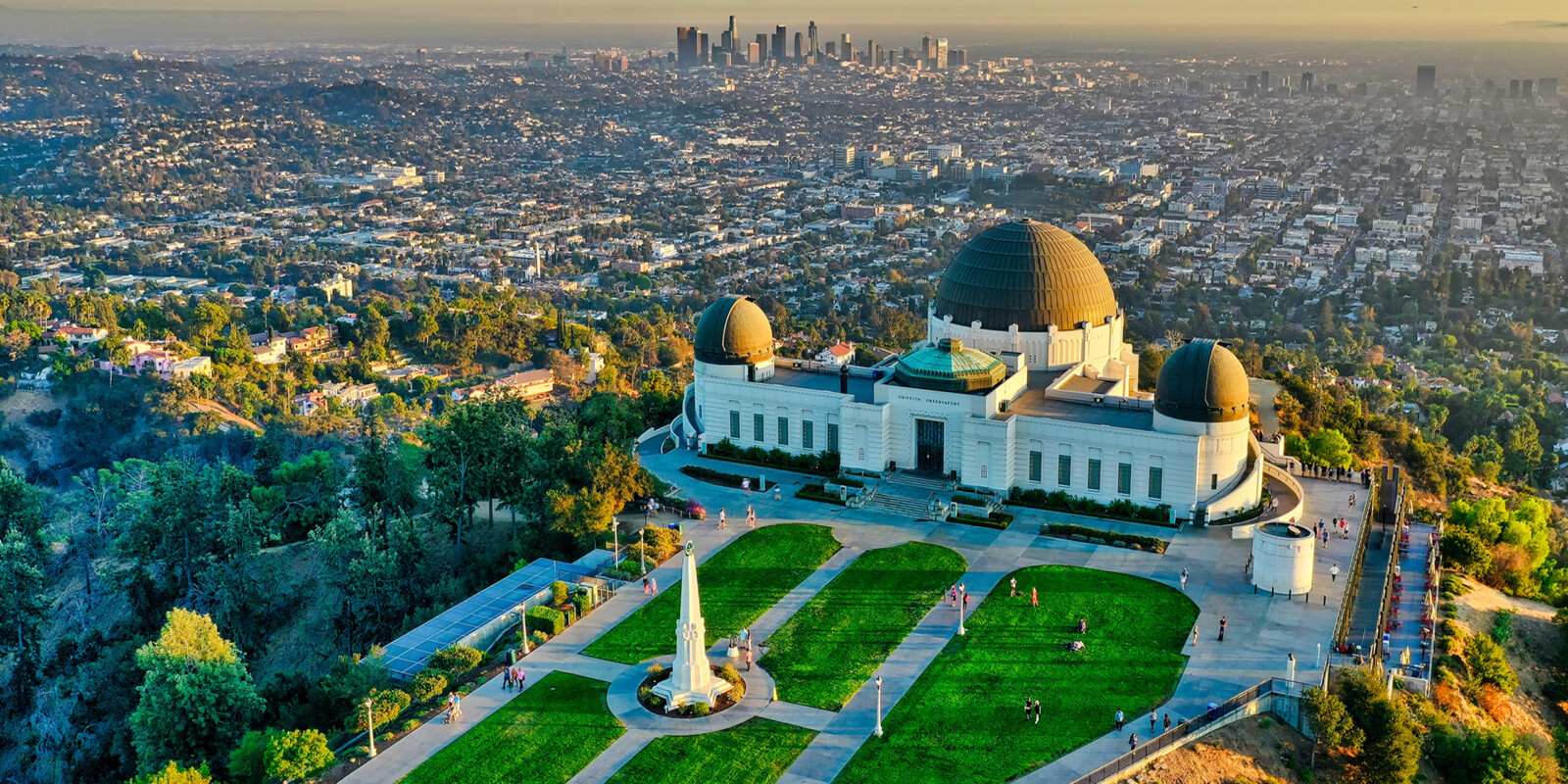
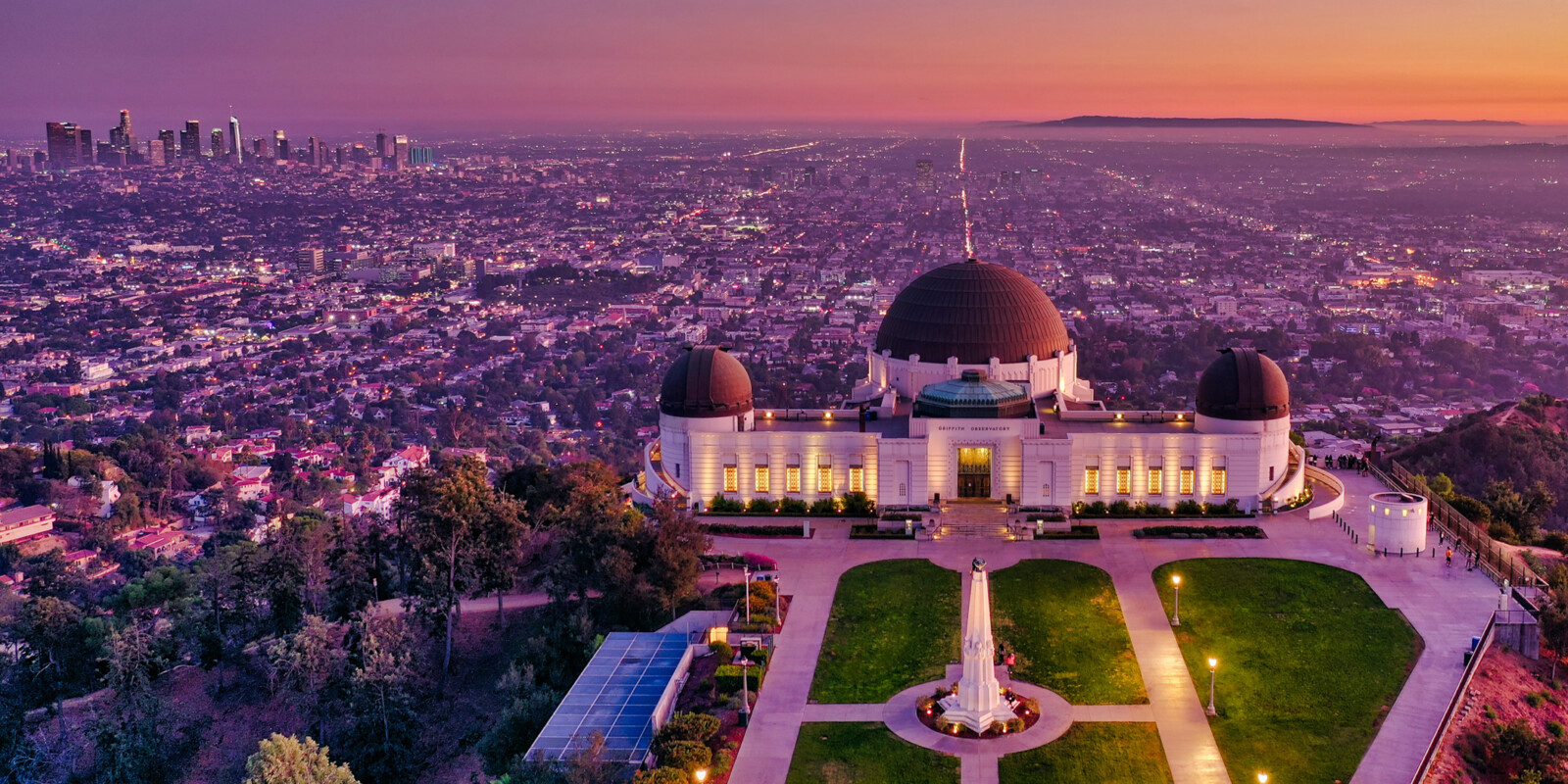
Griffith Observatory is open today from 12:00 p.m. to 10:00 p.m.
Thursday, April 25, 2024
Local Noon – 12:52 p.m.
Sunset – 7:33 p.m.
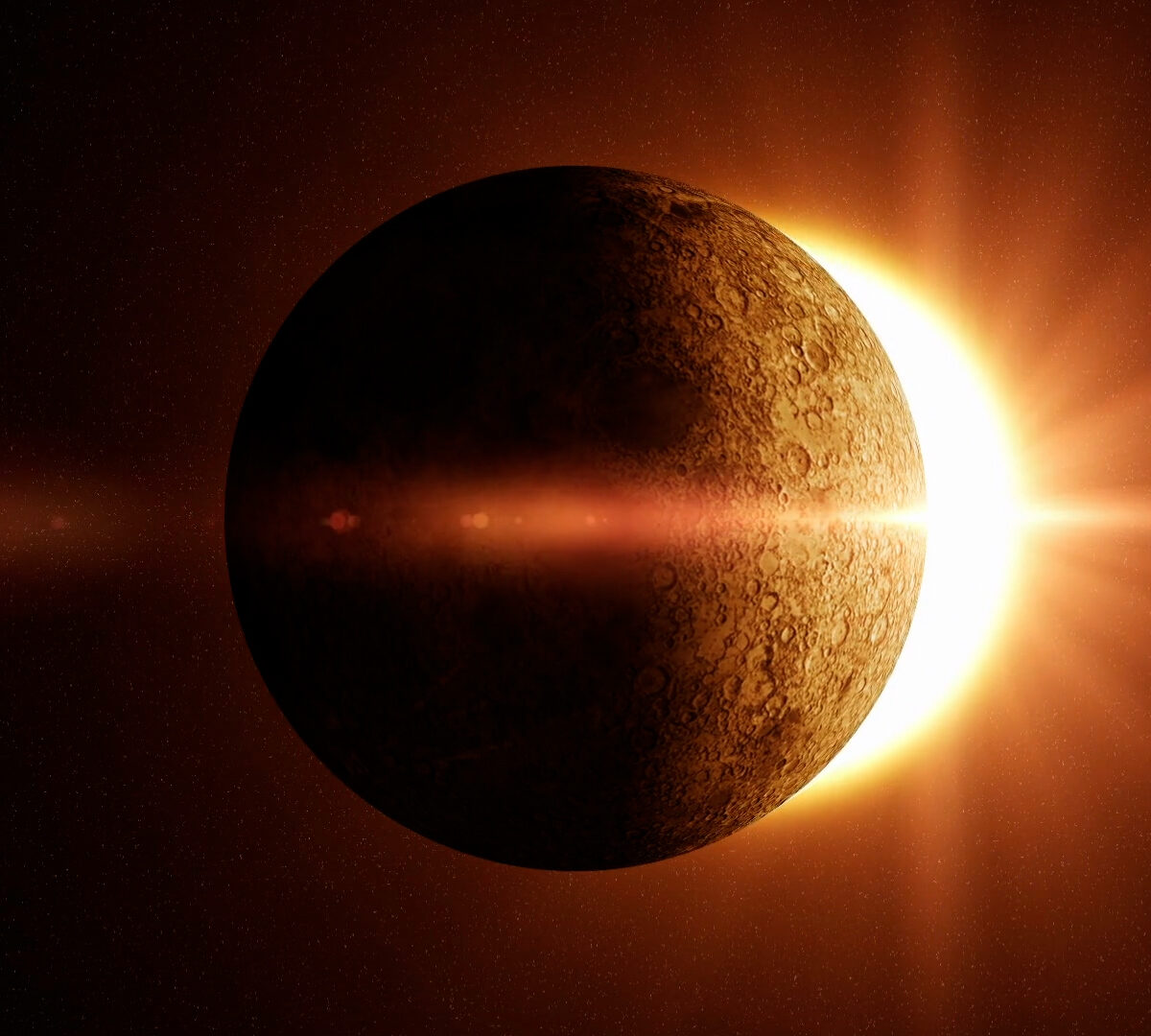
Total Solar Eclipse 2024
On Monday, April 8, 2024, a narrow pathway (“line of totality”) across North America from Mazatlán, Mexico, to Newfoundland, Canada will experience a total solar eclipse in which the Moon fully blocks the light of the Sun for several minutes. Almost all other parts of the continent, including Los Angeles, will see a partial eclipse. The Observatory will broadcast the total solar eclipse live from Texas that morning. Get all the info for viewing the eclipse here.
Follow Foundation trips in Texas and Mexico and Observatory staff across the country using #OBSeclipsewatch2024

Explore the Observatory
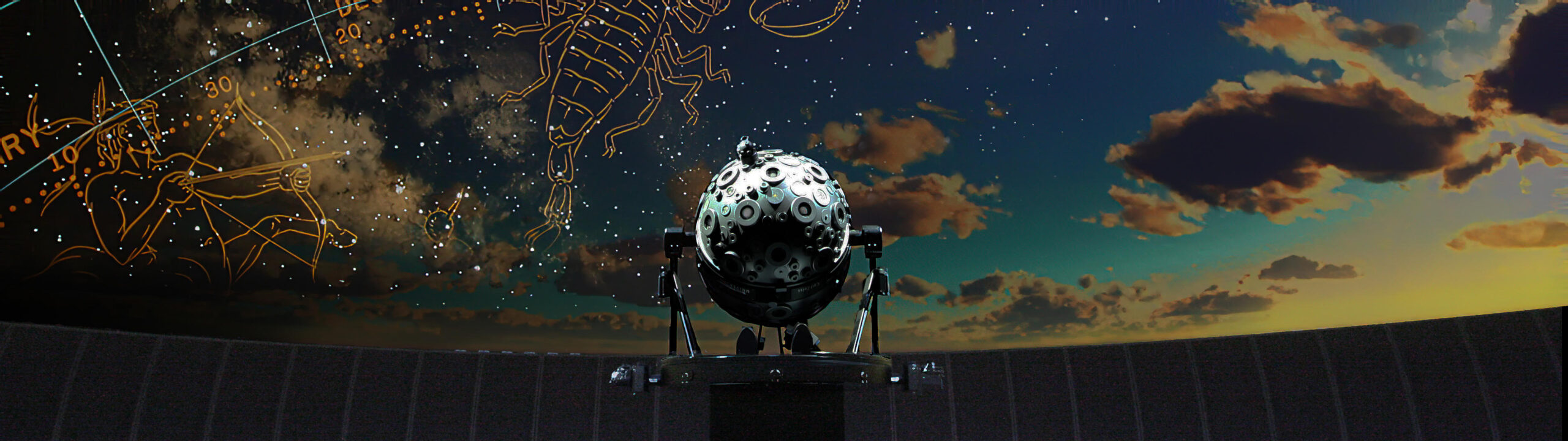
Samuel Oschin Planetarium
Travel to the farthest reaches of the universe and into the microscopic building blocks of life. Live presentations immerse you in the wonder and meaning of the cosmos.
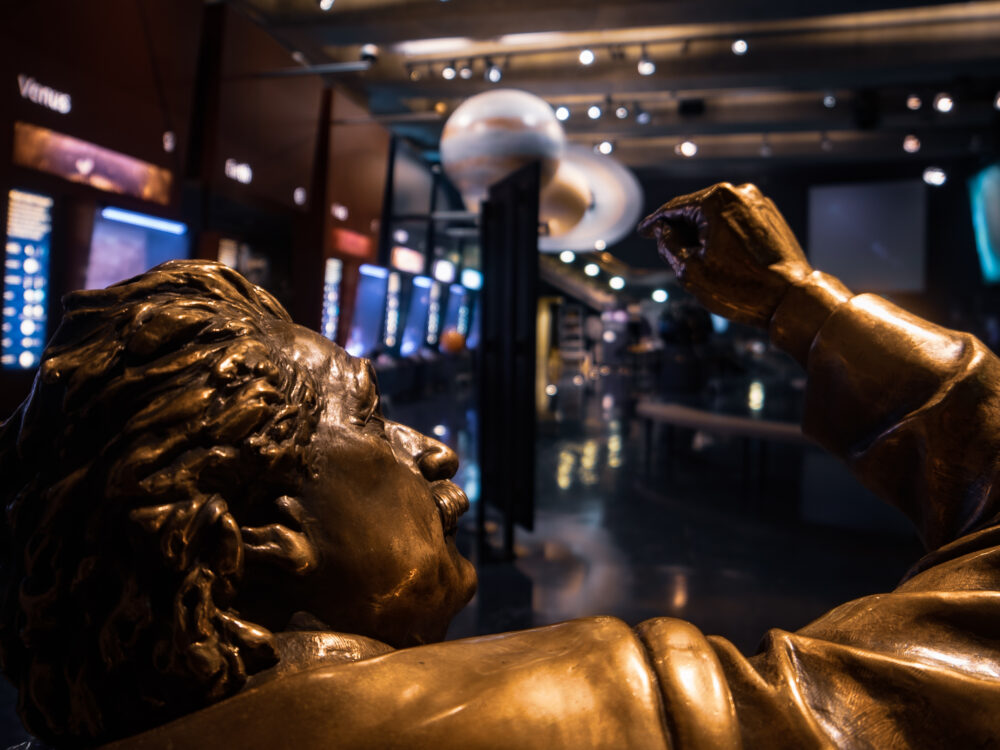
Exhibits
People have always looked at the sky and wondered what is really out there. Our 60 exhibits make you an observer and show you what we know.
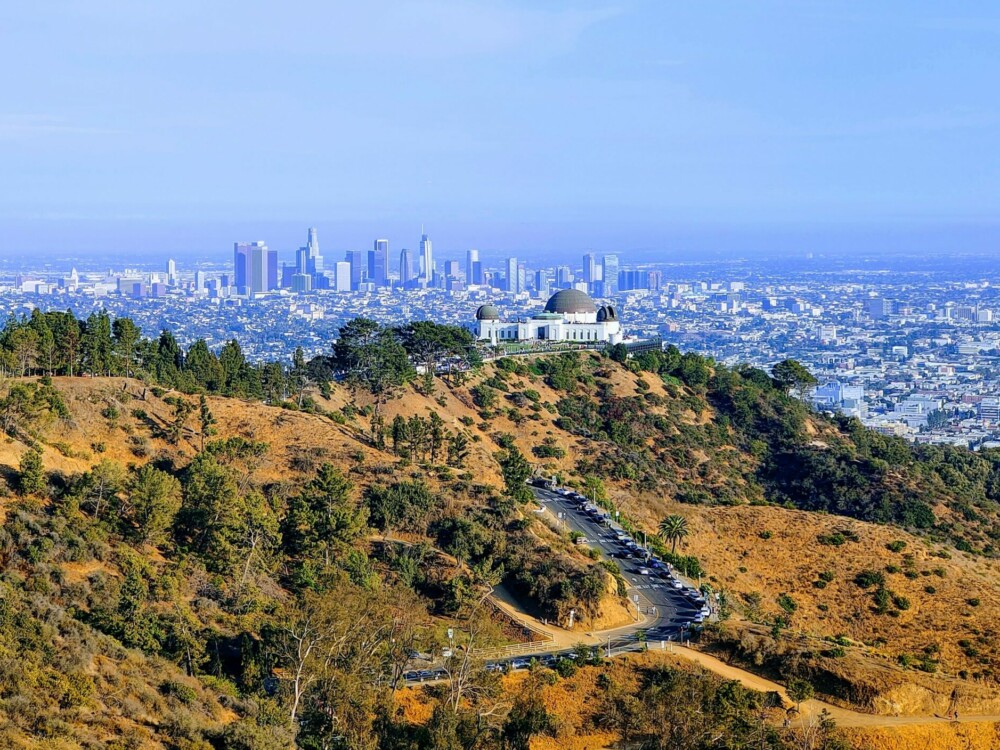
Griffith Park
The largest urban-wilderness municipal park in the United States, Griffith Park is filled with trails, trees, trains, attractions… and the Hollywood Sign!
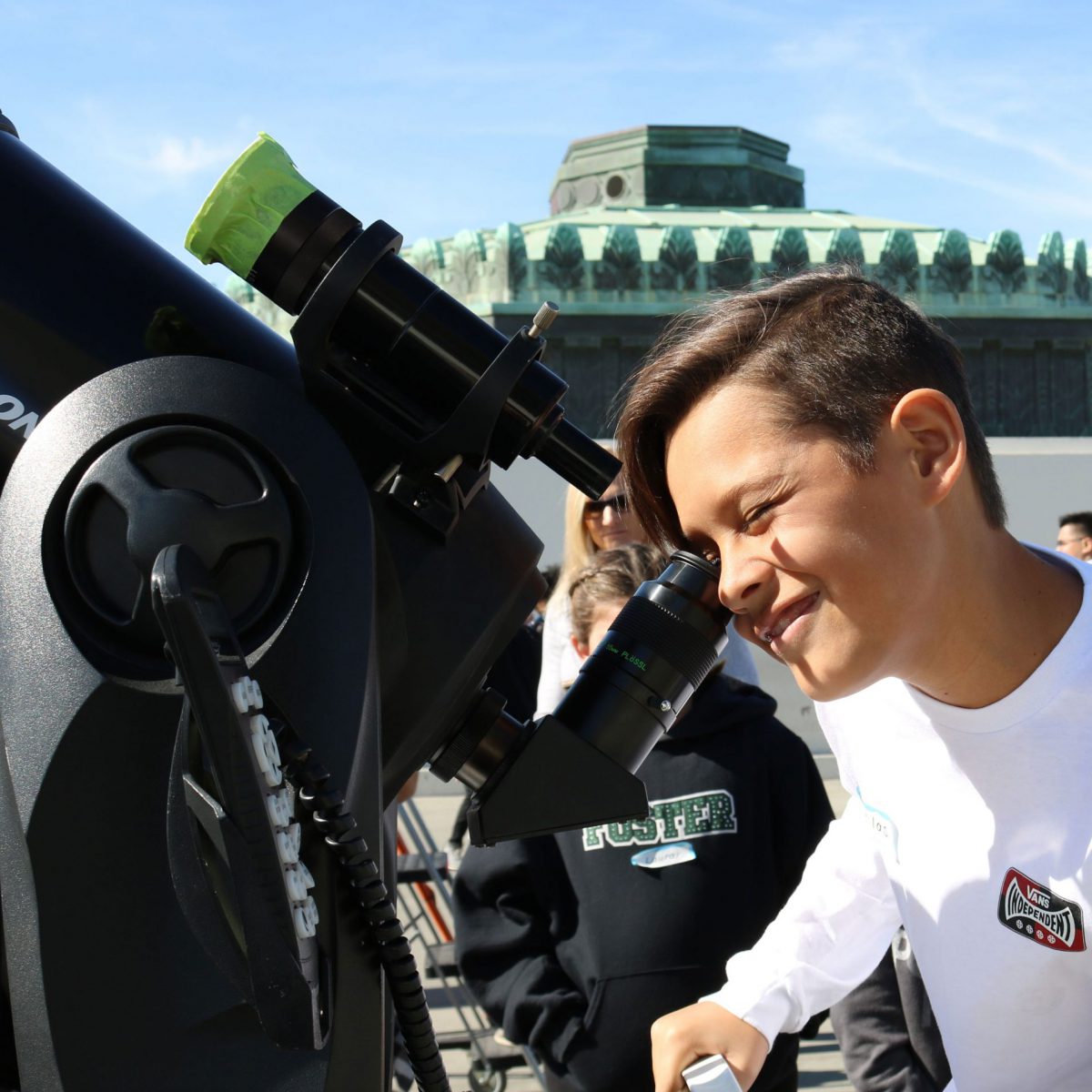
Observing the Sky
Anyone can be an observer, and we are here to help. You may look through our free public telescopes or use our astronomical information to observe from your own backyard. Check out the weekly Sky Report to see what you can observe in Los Angeles.
Programs and Events
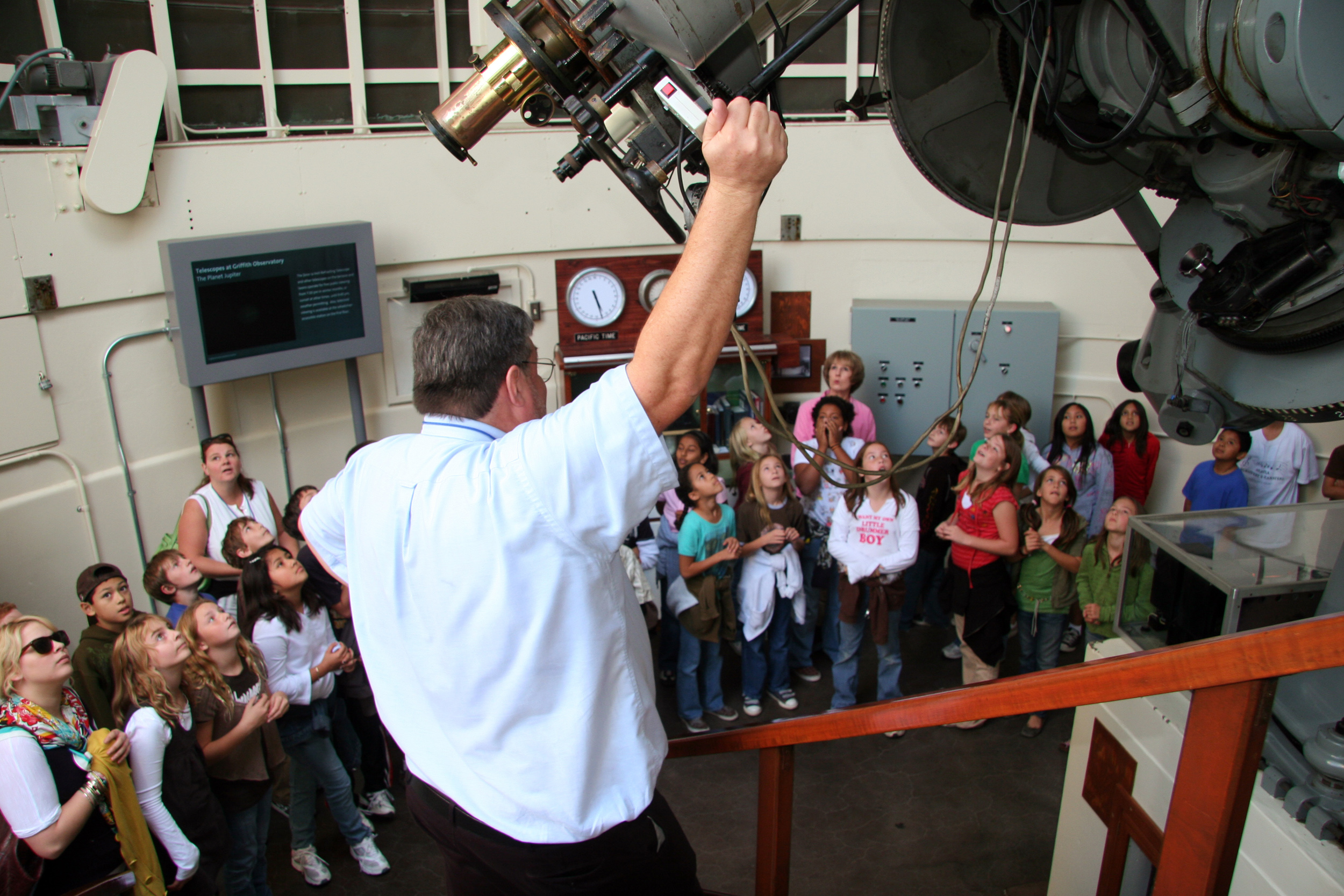
Daily Programs
Live shows in the Samuel Oschin Planetarium, live Tesla Coil demonstrations, and your chance to observe with our public telescope observing are offered every day. Check the schedule!
Recurring Events
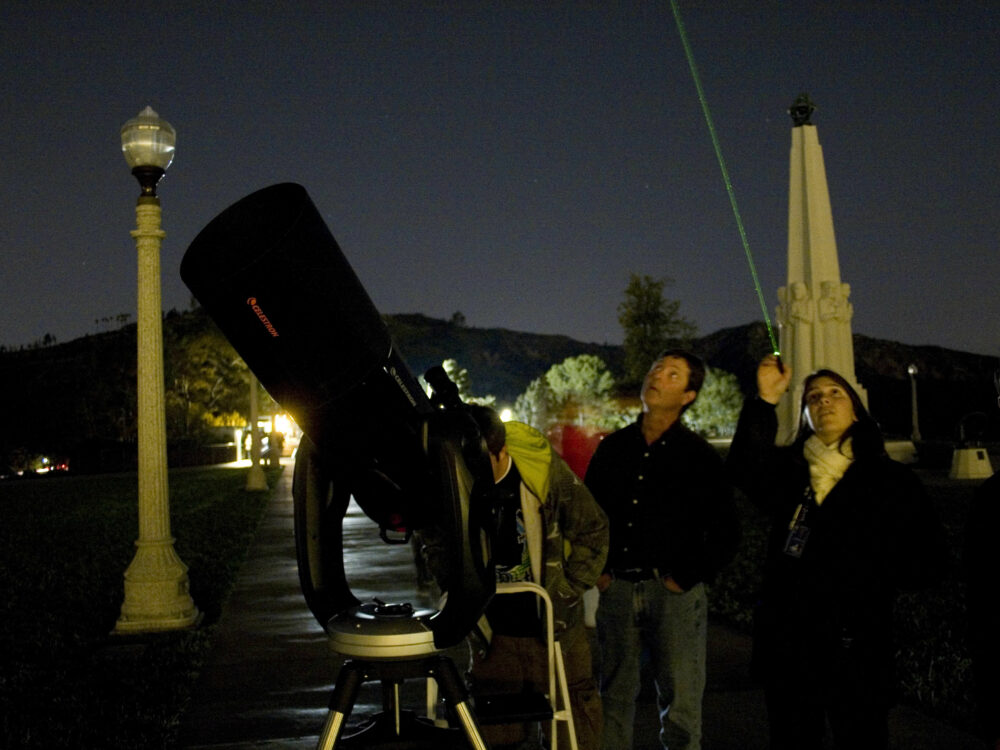
Virtual and in-person programs – including public star parties, All Space Considered, and the Sunset Walk-and-Talk – return each month as reliably as the phases of the Moon!
Special Events
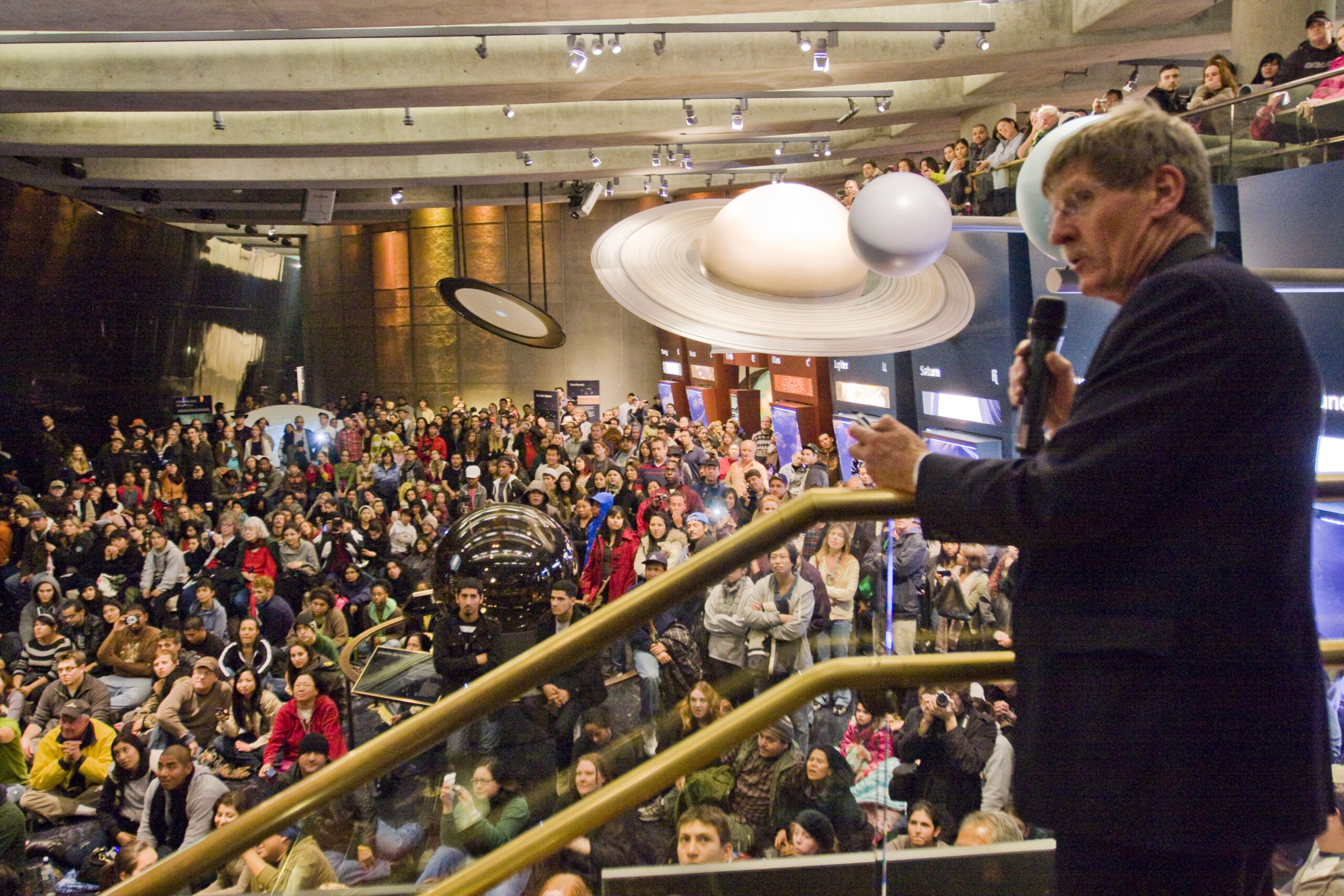
Griffith Observatory reliably connects you to unusual sights in the sky, the changing seasons, visiting astronomers and their latest discoveries, and more.
Planning a Visit? We Can Help!
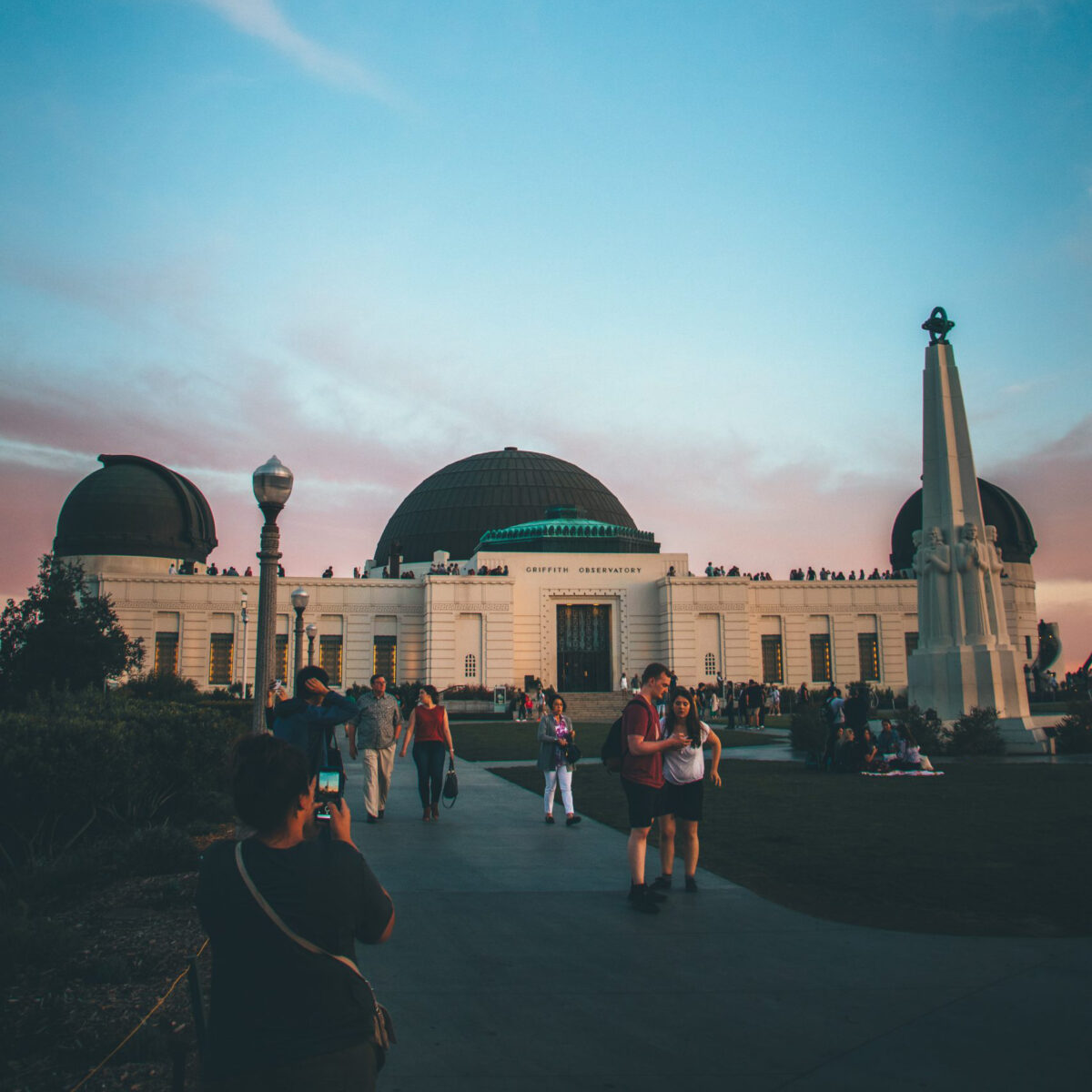
Located on the south slope of Mount Hollywood in Griffith Park, the Observatory is literally in the center of metropolitan Los Angeles. While public transportation is the easiest way to visit, you may also walk, bike, drive, or take a shared-ride service up to the Observatory. There’s paid parking near the Observatory and free parking downhill. Be sure to plan your visit in advance, because roads and parking get busy.
Upcoming Events
May 18, 2024
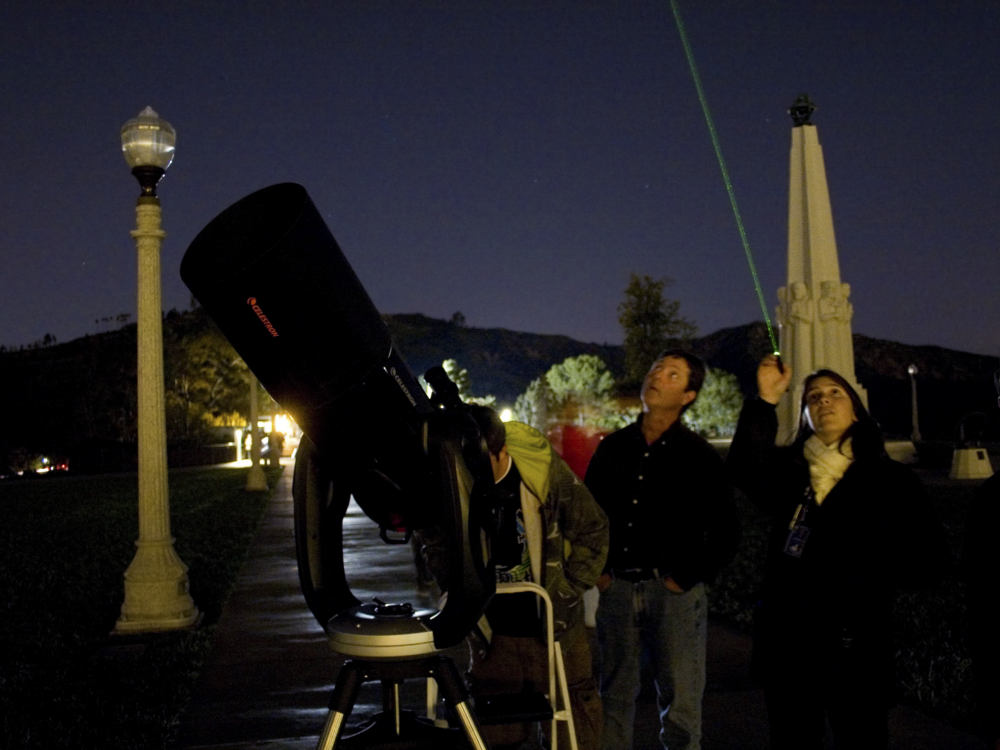
Public Star Party – May 18, 2024
Once a month, the Observatory partners with local telescope groups to share their telescopes and knowledge with the public. With dozens of telescopes on the lawn, there's always something to see!
2:00 PM – 9:45 PM
Griffith Observatory
June 15, 2024
Public Star Party – June 15, 2024
Once a month, the Observatory partners with local telescope groups to share their telescopes and knowledge with the public. With dozens of telescopes on the lawn, there's always something to see!
2:00 PM – 9:45 PM
Griffith Observatory
July 13, 2024
Public Star Party – July 13, 2024
Once a month, the Observatory partners with local telescope groups to share their telescopes and knowledge with the public. With dozens of telescopes on the lawn, there's always something to see!
2:00 PM – 9:45 PM
Griffith Observatory
About the Observatory
Griffith Observatory is southern California’s gateway to the cosmos! Visitors may look through telescopes, explore exhibits, see live shows in the Samuel Oschin Planetarium, and enjoy spectacular views of Los Angeles and the Hollywood Sign.
Griffith Observatory
2800 East Observatory Road
Los Angeles, CA 90027
(213) 473-0800
Weekday (Tuesday - Friday) Hours
Open 12:00 noon - 10:00 p.m.
Weekend (Saturday - Sunday) Hours
Open 10:00 a.m. - 10:00 p.m.
Closed Monday